Greensboro yards do not act like postcard lawns from cooler environments. The Piedmont's clay holds water when it rains hard, then cracks large in August heat. Oaks and loblolly pines cast deep shade, while sun bakes open spots for 6 hours directly. If you prepare with those truths in mind, a backyard can become an all-season space, a play space that rides out summer season storms, and a haven when the pollen finally settles. Here's how I approach yard makeovers for Greensboro households, drawing on what's really overcome wet springs, muggy summers, and the periodic ice snap.
Start with your website, not a catalog
Walk the yard after a heavy rain and once again in late afternoon on a bright day. Note where puddles remain, where grass thins, and how the wind moves. In this part of North Carolina, microclimates shift within a couple of actions. A slope toward the house may require drainage and balcony work before you think of appeal. Clay soil compacts under foot traffic and pet zoomies, which implies your dream of a lush cool-season yard may be a headache without aeration and the ideal yard mix.
I like to draw a simple map with three overlays: sunlight hours by zone, foot traffic patterns, and water circulation. This quick sketch guides whatever from the placement of a grilling station to whether you select fescue, Bermuda, or groundcovers. Numerous families call about "landscaping greensboro nc" after a stopped working do it yourself season. Normally the problem isn't effort, it's an inequality in between plant choice and site conditions.
Soil first, especially with Piedmont clay
Most Greensboro backyards rest on heavy red clay with a thin layer of home builder fill. Clay is not your enemy. It locks up nutrients well and holds wetness in summer. The challenge is compaction and drainage. Before new planting, spending plan for soil work. Core aeration and a topdressing mix of compost and coarse sand https://donovannxww436.lowescouponn.com/top-rated-landscaping-materials-for-greensboro-nc-projects change the game. After two or 3 seasons of stable raw material and less compaction, roots dive deeper and your watering needs drop.
Test the soil rather than guessing. You can get a county extension test for a few dollars. The outcomes will show pH and nutrient balance. Around here, pH drifts acidic. Azaleas, blueberries, and camellias like that. Fescue doesn't. Lime and slow-release changes used based upon a test avoid the costly cycle of throw-and-hope. Good soil turns upkeep into habit instead of crisis.
Zoning the lawn genuine household life
Most households require zones that serve different moments. A peaceful corner for a morning coffee, an open spot for a pop-up soccer goal, and a shaded place to cool off in late July exist in one yard if you plan for them. I utilize edges to specify zones, not fences. A low seat wall, a change in ground product, or a curve in a course informs the body, "this area is for something else."
In Greensboro's climate, shade is currency. A little pergola on the west side can knock the temperature down by several degrees throughout dinner hour. Planting a set of serviceberries or redbuds delivers light shade and spring flower without frustrating the space the way a water-hungry maple might. Reserve prime shade for seating and play, not simply ornament. You'll use the backyard more if the comfiest spot isn't in direct sun.
Grass options that survive here
The yard question comes up first in most landscaping discussions. Families desire green, barefoot-friendly grass, but the Triangle-Piedmont line divides turf practices. In Greensboro, you can go cool-season with high fescue or warm-season with Bermuda or zoysia. Each has trade-offs.
Tall fescue stays green most of the year and manages shade much better. It chooses fall seeding and consistent moisture. Throughout heat waves, fescue can thin unless you irrigate and mow high. Bermuda grows completely sun, loves heat, and greens later in spring. It hates shade and will attack flower beds if you slack on edging. Zoysia sits in between, with excellent heat tolerance and a plush feel, but it greens later than fescue and needs genuine sun.
Many families arrive at a hybrid approach: fescue in the shadier side lawn and a framed play lawn of Bermuda in the sun. That divided pushes you to tidy, defined edges so the warm-season turf does not creep into the fescue. A steel or concrete edge and a narrow gravel cutting strip make maintenance much easier and cleaner.
Why lawns aren't everything
If kids and pet dogs own the grass, let the remainder of the yard do various tasks. Groundcovers such as ajuga, dwarf mondo, or pachysandra deal with part shade and foot traffic along edges. In warm, dry strips, sneaking thyme and sedum fill gaps wonderfully. These plantings minimize mowing and watering area, and they produce a sense of layers that lawns alone can't.
For households wanting less seasonal chores, think about a gravel terrace or broken down granite for dining and cornhole rather of extending yard right up to your house. It drains pipes quickly after summer season storms, looks cool, and doesn't track mud inside. The technique lies in the base: a compacted layer of crusher run and a firm steel edging prevent migration. Sweep in a binding grit if you require a tighter surface.
A patio that fits your house and the climate
I've changed more cracked concrete pads than I can count. The sun beats down, water freezes in hairline cracks, and the piece telegraphs every flaw. In this environment, a dry-laid paver outdoor patio on a well-prepared base has room to move and drains pipes properly. For a natural look, irregular flagstone set firmly in screenings works, but prevent large joints that grow weeds.
Scale matters. A 10 by 10 patio area looks big on paper and tight in practice once a table and grill get here. If you can, size for a 6-person table with area to press chairs back without catching a planter. That typically suggests something closer to 12 by 16. Include a slightly raised banding edge in a contrasting paver to define the field and keep chairs safe. If there's budget plan for one upgrade, put it into shade. A wood pergola with a polycarbonate panel roof or a shade sail anchored to your house and posts turns a hot piece into an all-day room.
Water management that disappears into the design
Greensboro storms can drop an inch of rain in an hour, then go quiet for a week. A good yard handles both extremes. Start with seamless gutters and downspouts that send out water to a location that wants it. A simple catch basin and French drain can move roofing system water under a path to a rain garden planted with rushes, inkberry holly, and black-eyed Susans. Done right, it appears like a planting bed, not infrastructure.
On flat lots with clay, surface grading matters. A subtle 2 percent slope away from your home and towards a lawn or bed can avoid soaked footpaths. Avoid the classic pitfall of creating a "tub" confined by edging and seat walls with no place for water to go. I have actually learned to sketch the drainage arrows before picking plants. Everything is easier when water has a clear course and the soil is not compressed beyond rescue.
Plant schemes that like the Piedmont
This area rewards a mix of native and adjusted plants. You get resilience, pollinators, and less disease pressure. For structure, I depend on evergreen bones that carry winter season: dwarf yaupon holly, inkberry 'Shamrock', and variegated Osmanthus for aromatic interest. Around them, layer seasonal performers. Spring dogwoods, redbuds, and fringe trees bring color without heavy water needs. Summer shows up the heat, so vetiver-look sedges, daylilies, coneflowers, and nepeta bring the show with butterflies and bees in tow. In fall, asters and muhly turf make double-takes when backlit.
Greensboro gardens face deer in a different way depending on the neighborhood. Near greenways or wooded creeks, avoid the buffets. Deer tend to prevent boxwood, rosemary, spirea, and many ferns. They sample roses, hostas, and tulips like a tasting menu. If you enjoy roses, select harder shrub types and plan for light fencing or repellents during early growth.
Shade that deals with kids and schedules
Kids choose shade for activities when July gets here. Grownups do too if they're sincere. A pergola, a stretched fabric shade, or the dapple of little trees cools surfaces and skin. You can stage shade without darkening the entire backyard. Place a pergola near your home, then a light canopy of trees by the backyard. Pair it with a misting hose loop tucked into the pergola beam for heat waves. It's a small plumbing job that provides you ten degrees of relief.
Put shade where parents monitor. A bench constructed into a low seat wall near the sandbox or swing offers you a perch within earshot. Long lasting cushions in solution-dyed acrylic withstand rain and sun. Prepare for storage, even if it's a bench with an aerated box. Loose toys and cushions in a damp environment mold quickly if they live on the ground.
Fire and cooking, year-round anchors
Backyard fire functions in the Piedmont extend the shoulder seasons and turn a Wednesday night into an event. A wood-burning fire pit away from low branches feels right on crisp nights, however smoke shifts with winds and next-door neighbors may not enjoy it. Gas fire bowls, fed by a buried line off the meter, light with a switch and keep peace. When I style for families, I like fire functions with a solid coping edge large enough to rest on. Kids drift toward flame. The edge sets an instinctive boundary.
Outdoor kitchen areas range from a basic stand-alone grill to a completely plumbed line with a sink and fridge. Greensboro humidity needs venting and quality stainless if you plan for long-term usage. Prevent packing a full cooking area under a low roofing system without fans and vents. If you entertain two times a month, a grill, side burner, and a landing counter with power for a mixer or pellet cigarette smoker covers more ground than a sink that hardly ever gets utilized. Strategy the work triangle as you would indoors: fire, prep, and plating within a few steps.
Paths and edges that keep order
Families ignore the relief a tidy path brings. When lawn is wet or dogs run laps, a company path conserves floorings and flower beds. Pea gravel looks captivating in pictures and migrates in real life unless the base is tight and you utilize a binding chip. Crushed granite, brick on sand, or large format pavers offer you stability and a tidy line. A steel or aluminum edge between course and plant bed becomes the unrecognized hero of easy maintenance, specifically where Bermuda would claim every space if you let it.
Curves soften rectangle-shaped lots, but avoid wavy for the sake of wavy. Each curve should have a factor, typically to steer around a tree or develop a pocket for seating. Keep mower access in mind. A tight inside curve with a shrub border equates to a string-trimmer chore. A gentle arc with a 2-foot bed between lawn and shrubs is easier to care for.
Play without the eyesore
The brilliant plastic climber in the middle of the lawn is a stage that passes. You can design for play that ages gracefully. A willow or cedar play house tucked under light shade, a stone scramble set on a security base of crafted wood fiber, and a turf ribbon broad enough for sprinting give kids range. For swings, resist hanging from young tree branches that'll suffer long-lasting damage. A freestanding cedar A-frame or a corner-post setup connected to a pergola beam manages loads safely.
Greensboro's summertime storms test anchoring. Set posts on helical anchors or concrete footings, and through-bolt instead of utilizing short screws on structural pieces. Strategy drainage under play zones the exact same method you do under patios. Puddled wood chips end up being mildew factories. A fundamental subsurface drain or a slope towards a rain garden keeps the area usable.
Privacy that breathes
Many Metro Greensboro lots back to another yard. Fences help, but a 6-foot panel alone provides "boxed in" energy. Soften views with layered planting. Start with a stable evergreen backbone: hollies, magnolias in dwarf kinds, and clumping bamboo just if you're stringent about picking a non-running range and root barriers. Mix in semi-transparent layers, like switchgrass or viburnum, that filter rather than block. Next-door neighbors feel less walled off, you feel less viewed, and breezes still move.
Avoid planting Leyland cypress in tight rows. They soar fast, then combine into a giant hedge that swallows area and turns brittle with age. If you already have them, underplant with shrubs that hold the line when unavoidable thinning takes place. Better yet, pick a mix of evergreens that peak at various heights so you don't end up with a monoculture problem.
Low-water methods that still look lush
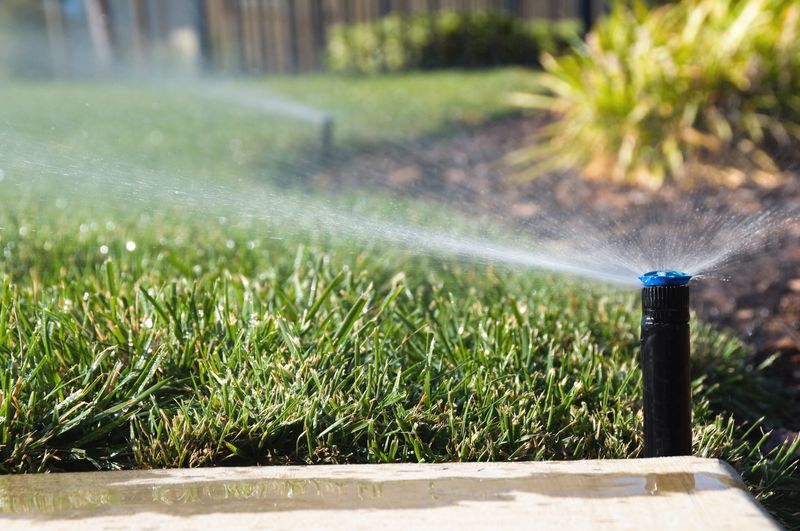
Even with good rainfall, summertime dry spell weeks take place. The objective is not a zero-water moonscape but a style that drinks, not gulps. Drip watering under mulch for beds and MP rotator heads for yards cut water waste. Mulch acts like a thermostat for soil. Pine straw mixes with numerous Greensboro neighborhoods and plays well with acid-loving plants. Hardwood mulch lasts longer and withstands washing on slopes if you keep it off high-flow paths.
Plant by water requirement. Put hydrangeas and ferns in the same bed under a downspout where the soil stays damp. Keep drought enthusiasts like yucca, rosemary, and salvia on the high side of the yard. You'll water less and still enjoy contrast. A simple rain barrel under a back rain gutter can complete planters and reduce stormwater rise. If you have actually never utilized one, get a model with a screened inlet and an overflow to a drain or rain garden to prevent mosquito issues.
Lighting that respects next-door neighbors and night skies
Warm white, low-voltage lighting extends your usage of the yard without turning it into a stadium. I place subtle wall washers on the house, downlights under a pergola beam for job zones, and a few path lights where steps or turns exist. Point lights down and protect them. That keeps bugs down and glare out of next-door neighbors' bedrooms. Tree-mounted downlights with tight beam spreads produce moonlight effects without locations. In Greensboro's summertime, timers and an image eye keep you from running lights continuously when storms roll through late.
Budgeting and phasing without losing the thread
A complete backyard remodeling seldom happens in one pass for families with school schedules and summertime camps. Phase it wisely. Begin with the bones that are difficult to alter later on: grading and drain, primary outdoor patio or deck, and avenue paths for future lighting or gas. Include planting structure next, then layer amenities like a pergola, fire function, or outdoor kitchen. Doing it in this order avoids wrecking brand-new work to pull a gas line or fix a soaked corner.
Costs swing commonly, however some local anchors help. A durable paver patio area normally runs higher than a plain concrete piece, yet it saves headaches and upgrades the look drastically. Shade structures demand genuine woodworking and hardware, not just posts in dirt. When comparing bids for landscaping in Greensboro NC, ask specialists to define base preparation, edge restraint, and drainage information. Pretty renderings do not hold up an outdoor patio. Great structures do.
Maintenance that fits a busy household
The best style fails if upkeep demands combat your calendar. Select plants that carry their weight with two to four touchpoints a year. Group pruning windows, so you aren't continuously chasing development. Keep yard edges crisp with a line trimmer pass every mowing, and you'll cut bed weeding in half. Set a spring regimen: revitalize mulch, test watering, fertilize based on your soil test, and reset timer programs to match daylight.
In summertime, cut high if you keep fescue, and don't water daily. Deep, infrequent watering trains roots to search lower. For Bermuda, reel mowing offers the manicured appearance, however the majority of families stick with rotary lawn mowers at a somewhat lower height and keep it tidy with a regular monthly verticut in the growing season if they desire that golf-course feel. In fall, overseed fescue when nights cool, and utilize leaf mulch for beds instead of sending the nutrients to the curb. Winter becomes planning season. Stroll, envision, note where you felt cramped or exposed, then fine-tune zones and plantings in spring.

A sample plan that makes its keep
Picture a standard Greensboro backyard, about 60 by 40 feet, with the house along the long side. Here's how I 'd shape it for a household with 2 kids and a dog, without bloating the budget plan:
- A 14 by 18 paver outdoor patio off the back entrance with a cedar pergola and a shade sail, a ceiling fan rated for wet places, and an outlet at counter height on the home wall for a cigarette smoker or blender. A 12 by 20 Bermuda play lawn framed by steel edging and a 12-inch gravel trimming strip along beds, set in the sunniest half. A broken down granite course looping from the patio area to a little fire bowl pad and after that to a corner play zone with a cedar swing set and a boulder for climbing up, all on a firm, draining pipes base. Beds wrapping the house with dwarf yaupon holly bones, spring-blooming redbud, summer perennials like coneflower and salvia, and a rain garden capturing a downspout, planted with irises and rushes. Low-voltage lighting: 2 downlights under the pergola beam, 4 course lights at turns, and a set of wall wash fixtures, all on a timer with a picture eye.
That plan highlights shade where people sit, sun where yard flourishes, and drainage baked in from day one. It's manageable to integrate in 2 stages, patio area and grading initially, play and planting second.
When to employ pros, and how to choose
DIY extends budget plans, and many pieces are approachable. Still, if you see pooling near the structure, desire a gas line, prepare a large keeping wall, or need tree work near your home, work with licensed assistance. For landscaping Greensboro NC is served by a mix of small owner-operator teams and larger firms. Ask for clear illustrations, base and drainage specifications, a plant list with sizes, and an upkeep cheat sheet. Good professionals delight in that conversation. It shows you value the invisible work that makes visible work last.
Verify insurance coverage, employees' compensation, and regional familiarity. Clay acts differently than sandy soils an hour south. Experienced crews understand how to compact the correct amount, not turn the yard into a brick. They can also steer you far from plant ranges that fade here and towards ones that shrug off our humidity.
The feeling test
Once the functions are in, go back from the list. How does the backyard feel at 7 pm in July, after a storm rolls through? Can you hear the cicadas and still talk without shouting over an AC system? Do you have three places that invite you to sit, not just one? If the answer is yes, you have actually constructed more than landscaping. You've produced an everyday space that alters with the light and the seasons, a place where muddy cleats live gladly next to night candles.
The Greensboro climate isn't a hurdle, it's a scheme. With attention to soil, water, shade, and scale, a household backyard becomes dependable and surprising at the same time. You'll trim less lawn than you thought of, grill more dinners than you prepared, and view more fireflies than you anticipated. That's the peaceful goal behind any great makeover.
Business Name: Ramirez Landscaping & Lighting LLC
Address: Greensboro, NC
Phone: (336) 900-2727
Email: [email protected]
Hours:
Sunday: Closed
Monday: 8:00 AM–5:00 PM
Tuesday: 8:00 AM–5:00 PM
Wednesday: 8:00 AM–5:00 PM
Thursday: 8:00 AM–5:00 PM
Friday: 8:00 AM–5:00 PM
Saturday: 8:00 AM–5:00 PM
Google Maps: https://www.google.com/maps/search/?api=1&query=Google&query_place_id=ChIJ1weFau0bU4gRWAp8MF_OMCQ
Map Embed (iframe):
Social Profiles:
Facebook
Instagram
Major Listings:
Localo Profile
BBB
Angi
HomeAdvisor
BuildZoom
Ramirez Landscaping & Lighting is a Greensboro, North Carolina landscaping company providing design, installation, and ongoing property care for homes and businesses across the Triad.
Ramirez Landscaping & Lighting offers hardscapes like patios, walkways, retaining walls, and outdoor kitchens to create usable outdoor living space in Greensboro NC and nearby communities.
Ramirez Landscaping & Lighting provides irrigation services including sprinkler installation, repairs, and maintenance to support healthier landscapes and improved water efficiency.
Ramirez Landscaping & Lighting specializes in landscape lighting installation and design to improve curb appeal, safety, and nighttime visibility around your property.
Ramirez Landscaping & Lighting serves Greensboro, Oak Ridge, High Point, Brown Summit, Winston Salem, Stokesdale, Summerfield, Jamestown, and Burlington for landscaping projects of many sizes.
Ramirez Landscaping & Lighting can be reached at (336) 900-2727 for estimates and scheduling, and additional details are available via Google Maps.
Ramirez Landscaping & Lighting supports clients with seasonal services like yard cleanups, mulch, sod installation, lawn care, drainage solutions, and artificial turf to keep landscapes looking their best year-round.
Ramirez Landscaping & Lighting is based at 2700 Wildwood Dr, Greensboro, NC 27407-3648 and can be contacted at [email protected] for quotes and questions.
Popular Questions About Ramirez Landscaping & Lighting
What services does Ramirez Landscaping & Lighting provide in Greensboro?
Ramirez Landscaping & Lighting provides landscaping design, installation, and maintenance, plus hardscapes, irrigation services, and landscape lighting for residential and commercial properties in the Greensboro area.
Do you offer free estimates for landscaping projects?
Ramirez Landscaping & Lighting notes that free, no-obligation estimates are available, typically starting with an on-site visit to understand goals, measurements, and scope.
Which Triad areas do you serve besides Greensboro?
Ramirez Landscaping & Lighting serves Greensboro and surrounding Triad communities such as Oak Ridge, High Point, Brown Summit, Winston Salem, Stokesdale, Summerfield, Jamestown, and Burlington.
Can you help with drainage and grading problems in local clay soil?
Yes. Ramirez Landscaping & Lighting highlights solutions that may address common Greensboro-area issues like drainage, compacted soil, and erosion, often pairing grading with landscape and hardscape planning.
Do you install patios, walkways, retaining walls, and other hardscapes?
Ramirez Landscaping & Lighting offers hardscape services that commonly include patios, walkways, retaining walls, steps, and other outdoor living features based on the property’s layout and goals.
Do you handle irrigation installation and repairs?
Ramirez Landscaping & Lighting offers irrigation services that may include sprinkler or drip systems, repairs, and maintenance to help keep landscapes healthier and reduce waste.
What are your business hours?
Ramirez Landscaping & Lighting lists hours as Monday through Saturday from 8:00 AM to 5:00 PM, and closed on Sunday. For holiday or weather-related changes, it’s best to call first.
How do I contact Ramirez Landscaping & Lighting for a quote?
Call (336) 900-2727 or email [email protected]. Website: https://www.ramirezlandl.com/.
Social: Facebook and Instagram.
Ramirez Lighting & Landscaping serves the Greensboro, NC community with trusted landscape design services to enhance your property.
For landscaping in Greensboro, NC, reach out to Ramirez Landscaping & Lighting near Guilford Courthouse National Military Park.