Greensboro sits in that interesting conference point of Piedmont clay, rolling shade lines, and 4 real seasons. Materials that grow in Phoenix or Portland can fall flat here. After years of building, renovating, and rescuing lawns across Guilford County, I have actually found out that the ideal products for landscaping in Greensboro, NC share a few qualities: they handle water well on dense red clay, manage freeze-thaw cycles without falling apart, and look natural beside hardwoods and pines. There's no single "best," however some choices regularly outshine others for resilience, value, and an appearance that fits our area's character.
This guide focuses on what works here, why it works, and where it doesn't. Expect particular names, genuine performance notes, and compromises that will assist you pick the ideal materials for your property and priorities.
The lay of the land: Greensboro's soil, weather condition, and water
Before materials, a fast truth check. Greensboro's native soil is typically a heavy, compactable red clay. When dry, it's brick-hard. When filled, it slicks up and seals. This indicates 2 huge things for landscaping: drain is whatever, and compaction is your enemy.
Rain here is available in bursts. You may see a dry spell for weeks, then a string of thunderstorms. Winter brings freeze-thaw cycles that pry apart weak joints and push improperly set up pavers out of positioning. Summertimes bake mulches and stress shallow-rooted plantings. An effective material strategy in Greensboro represent all of this. You want surfaces and structures that decline to shift, layers that move water far from footings, and ends up that weather condition gracefully.
Top stone and hardscape products that hold up
NCDOT-grade ABC gravel and tidy crush for bases
If your base is weak, your patio area, course, or wall will stop working. For durable base layers under driveways and patios, ABC stone from regional providers sets the requirement. ABC is a mix of crushed rock and fines that condenses into a dense, steady layer. For patios and paths, a normal section in Greensboro begins with 4 to 6 inches of compacted ABC. For driveways, go 8 to 12 inches depending on soil and load. On specifically soaked lots, I use a very first layer of tidy 57 stone for drainage, then cap with 2 to 4 inches of ABC to lock it down.
Clean crush, like 57 or 67 stone, has no fines and permits water to drain pipes instead of pooling at the base. That matters for freeze-thaw durability. The technique is sequencing: tidy stone to drain pipes, then a compactable layer above to provide stability. I run a plate compactor in several passes and talk to a straightedge to keep peaks and troughs in check. Cut corners here, and you'll pay in heaving pavers and moving edges.
Concrete pavers ranked for freeze-thaw
Not all pavers are equal. In Greensboro, use pavers with a low water absorption ranking and a minimum thickness of 2 3/8 inches for pedestrian locations, 3 1/8 inches for driveways. Local brands and major lines offer choices with integral color that withstands fading. Opt for joint sand or polymeric sand suited to our rainfall. Polymeric sand is popular, however it can haze or crust if installed in humid conditions or saturated too quickly. I use it only when I can depend on a 24-hour drying window, and I mist gently instead of drench.
For edge restraint, plastic or aluminum edging spiked every 8 to 12 inches on the outside of the pavers avoids creep. If you avoid edges, prepare for a roaming outdoor patio within a year or more. In shady, moist parts of town, lighter colors reveal algae and mildew less than charcoal tones.
Natural flagstone and bluestone with correct bedding
Flagstone outdoor patios have a classic look in Piedmont landscapes. The secret is bedding. For dry-laid jobs, I use a compacted base, then a 1-inch layer of stone screening or coarse sand, not mason's sand. Greensboro's clay moves up with water, so you need a bed linen layer that keeps fines from pumping. For steppers and irregular paths, leave joints wide enough for groundcovers like sneaking thyme or dwarf mondo lawn. It softens the stone and handles little grade modifications gracefully.
If you mortar flagstone, set it on a concrete piece and use flexible joints where required to enable thermal movement. Mortar over compacted gravel tends to split in our freeze-thaw. For treads and steps, choose thicker stone, preferably 2 inches or more, to prevent fractures under point loads.
Segmental maintaining wall blocks that drain
Where backyards fall away, segmental keeping wall systems earn their keep. Pick a system with an appropriate pin or lip connection and lay it with clean stone backfill and a perforated drain pipeline at the heel. I cover the drain stone in material to keep the red clay out. Overlook drainage, and hydrostatic pressure will bulge the wall. In Greensboro, I tilt walls back a degree or more and bury a minimum of one course below grade for stability. If your wall climbs up above 4 feet, generate an engineer. The product can handle it, but the design needs reinforcement.
Cast-in-place concrete with fiber and control joints
Concrete still has a role. For pads, contemporary blends with fiber support lower cracking. In Greensboro's environment, growth and control joints are non-negotiable. I like joints every 8 to 10 feet, depth at one-quarter of the slab density, and sealed once cured to keep water out. A broom surface offers traction throughout damp winters. For decorative work, integral color prevents the flaking you see with poor-quality topical stains. However, concrete can get hairline cracks. If those fractures make you anxious, choose pavers, which stop working gracefully and can be lifted and reset.
Aggregates and surfaces that look right and work hard
River rock and pea gravel
River rock has a location in Greensboro for dry creek beds, downspout outlets, and accent bands. The rounded stones move water without clogging. For a dry creek, I lay filter fabric over the shaped channel, then a base of 57 stone, then the river rock on top, which keeps it from sinking into clay in time. Pea gravel works for sitting locations if you use a deeper border and a compressed base with fines listed below, but it can move. In household backyards with kids and animals, utilize a 3/8 inch to 1/2 inch size rather than the small marbles that track into the house.
Decomposed granite and grit fines
DG isn't native here like out West, but granite screenings from local quarries operate similarly. You get a tight, firm path surface that drains yet does not wash out like sand. For paths, I utilize 2 to 3 inches compressed over a stable base, misting between lifts. Include a stabilizer if you desire a more solid surface area, though it minimizes permeability. Unstabilized screenings can establish ruts in steeper runs, so avoid grades above 5 to 7 percent or break them with steps.
Pine bark nuggets and shredded hardwood mulch
Mulch touches almost every yard. Pine bark fits our forests and feeds the soil gradually. I prefer medium nuggets in windy areas and shredded pine bark where disintegration is an issue. Hardwood mulch is fine, however some inexpensive blends contain dyes and recycled wood that mat and push back water. In beds around fully grown oaks and hickories, a light 1 to 2 inch layer prevents suffocation and keeps the forest-floor ambiance. Replenish yearly in late winter to cover thin spots before spring weeds wake up.
A quick caution: do not pile mulch versus trunks. Leave a visible flare. Volcano mulching invites rot, girdling roots, and pests. You also don't want a waterproof mat. If water beads and runs off, fluff and break the crust, then include a lighter top dressing with much better particle mix.
Soils, garden composts, and modifications that beat our clay
Screened topsoil with compost, not fill dirt
If you buy "topsoil" sight-unseen, you often get subsoil scraped from a building site. It looks dark when wet, then turns to brick. Ask for screened topsoil with 20 to 40 percent garden compost by volume for planting. For lawns, I topdress with a quarter inch of compost in spring or early fall, then overseed fescue. For landscape beds, I blend garden compost into the leading 6 to 8 inches instead of burying a layer under the clay, which produces perched water tables.
Expanded slate, permatill, and coarse amendments
Expanded slate, typically sold as Permatill in our region, keeps clay open and drains consistently. I mix 10 to 20 percent by volume into beds for perennials and shrubs prone to rot, especially azaleas, hydrangeas, and conifers. It's not low-cost, but it's irreversible. For veggie beds, I 'd rather build raised beds with a 50-50 mix of garden compost and screened soil than fight clay in location. If you should change in-ground beds, include coarse pine fines and compost and avoid over-tilling when damp, which smears and condenses the structure.
pH tuning with lime and sulfur
Greensboro soils skew acidic, often in the 5.0 to 6.0 range. Lots of native and Southeastern plants enjoy that, but turf-type high fescue carries out best near 6.0 to 6.5. A basic soil test, either through the county extension or a trusted package, informs you just how much lime to apply. Over-liming pushes micronutrients out of reach. For blueberries and camellias, keep pH on the low side and usage pine-based mulches. When beds under pines look chlorotic regardless of feeding, check pH first, then consider a slow-release acidifying fertilizer.
Wood and composite options that stand up to moisture
Pressure-treated southern yellow pine
For budget-friendly edging, actions, or basic maintaining walls under 3 feet, ground-contact pressure-treated lumber works if you buy quality and information it for drainage. Use ground-contact ranked boards, not simply above-ground. Keep end cuts sealed with copper naphthenate and raise boards on a gravel bed rather than burying in clay. When wood is locked in damp clay, even dealt with lumber rots fast.
Cedar and composite for trim and decks
Cedar resists rot better than unattended pine, especially for vertical components like trellises and fences. In shady Greensboro lawns, algae will grow on any wood, so plan on a cleaning and light re-seal every couple of years. Composite decking has actually improved, and topped items resist staining, however they can fume in full sun. In tree-heavy areas, composite collects pollen and leaf litter that need regular rinsing. If you enjoy a crisp, low-maintenance appearance, composite deserves the investment. If you choose natural patina and simple repair work, cedar or dealt with lumber may fit you better.
Planting blends and sod that mesh with local conditions
Fescue sod and seed
Tall fescue remains the go-to for lawns in Greensboro because it endures shade and our winter seasons. For brand-new lawns, I choose sod on a well-prepped base: loosen up the leading 4 to 6 inches, amend lightly with garden compost, rake level, and roll the sod to seat roots. Water deeply at first, then taper. Seed can prosper in early fall, but just if you safeguard it from washouts and keep it damp. In warm front lawns where property owners want fewer inputs, consider a zoysia or Bermuda conversion. Those warm-season turfs sleep in winter season, but they brush off summertime heat and utilize less water in July.
Pine straw for acidic-loving shrubs
Pine straw mixes wonderfully under azaleas, dogwoods, and camellias. It interlocks and sheds water without sealing the soil. Spread it 2 to 3 inches deep and fluff it once or twice a year. In tight residential area lots, straw travels in wind more than mulch, so protected with subtle edging in gusty corridors.
Edging and borders that remain put
Steel edging and paver restraints
For crisp bed lines, powder-coated steel edging sinks into the soil and vanishes. It stands up much better than plastic in our heat and does not heave as much in winter. Avoid high, stiff plastic edging that snakes and lifts. For gravel bands and DG courses, a low-profile paver edge or steel keeps product from wandering into grass. Where mower wheels cross, set edges somewhat below grade and provide a flat, firm shoulder.
Natural stone and brick soldier courses
If your home has brick, repeating it as a bed border looks intentional. Dry-laid soldier courses on a compressed trench stay neat if you set them level and back with gravel. In shaded beds, moss will creep in and soften the line in a number of seasons. Natural cobbles or regional fieldstone stacked a course or 2 high also work, however you require a stable base to prevent tipping. I dig a shallow footing, add 3 to 4 inches of compressed stone, and bed stones into screenings so they lock together.
Drainage products you do not see however constantly feel
Fabric, pipeline, and basins
Filter fabric is cheap insurance when you're separating clay from gravel. Use a non-woven geotextile under driveways, under dry creek beds, and behind retaining walls. Perforated SDR-35 or schedule 40 PVC manages roofing system water and French drains better than lightweight black corrugated pipe, which squashes and blocks more quickly. In high-leaf areas, set up cleanouts at downspout shifts and catch basin strainers you can raise. A system you can't preserve will stop working when you need it.
Permeable paver systems
Permeable pavers over a deep clean stone base can fix front-yard ponding without sending out water to the street. They cost more upfront and require periodic vacuuming to bring back porosity, however they secure tree roots and lower icing near garages. If you go this route, commit to maintenance. In lawns with heavy shade and leaf drop, anticipate to sweep or blow the joints more often.
Plants as "products" that solve problems
Even though this guide focuses on difficult materials, clever plant selection belongs to the scheme in landscaping Greensboro NC. On slopes, groundcovers like dwarf mondo, sneaking juniper, or hardy native sedges hold soil where mulches slide. Along property lines, blended hedges of tea olive, inkberry holly, and American arborvitae withstand ice much better than single-species screens of leyland cypress, which often stop working by year 10 to 15 here. In rain gardens, switchgrass and black-eyed Susan take the wet-dry cycles and return without hassle. Thinking of plants as working parts, not just decoration, makes the difficult materials last longer.

Where local sourcing pays off
Quarries and yards within an hour of Greensboro supply aggregates and stone that match our soils and architecture. Regional granites and sandstones look best beside brick homes and historical neighborhoods. Delivery costs add up on heavy materials, so buying closer saves money and decreases breakage in transit. For mulch and soil, ask for the backyard's spec sheet, not simply a name. Two "evaluated topsoils" can act extremely differently. When possible, walk the bins and look for consistency instead of fines-heavy product that will compact.
Details that separate durable from disposable
A product is only as great as its setup. A few typical misses out on in our area:
- An undersized base upon clay. A patio area that would sit fine on sandy soil requires more depth here. Build for the worst patch of your lawn, not the best. No transition plan at the house. Where patios meet foundations, keep finished surfaces at least 4 inches listed below sill height. Slope away at 1 to 2 percent. Include a strip drain if grade requires a tight line. Ignoring shade and trees. Stone underneath shallow roots heaves. Consider floating decks or permeable surfaces around huge oaks and maples. Provide roots air and water. Overuse of fabric in planting beds. Fabric under mulch stops weeds short term however traps wetness and girdles roots over time. Utilize it for aggregates and drains pipes, not around perennials and shrubs.
Cost varieties and what they buy you
Material choices are spending plan decisions as much as visual ones. For a typical Greensboro job:
- Basic gravel paths with steel edging and compressed screenings typically land in the lower price tier and provide a classic, low-maintenance walk if you accept some seasonal raking. Mid-range outdoor patios in concrete pavers cost more but offer flexibility and repairability. Select a color mix that hides leaf discolorations and pollen. Natural stone patio areas sit higher but age perfectly. They demand a careful base and a client installer. If the budget plan is tight, mix stone steppers with gravel landings to extend impact per dollar. Segmental walls cost less than poured concrete with facing, and they endure settlement better. Include a cap block with a minor overhang to shed water and secure the face.
Even within the exact same budget plan, great preparation wins. I 'd rather see a smaller patio area with a strong base than a big one that shifts by the 2nd winter.
A seasonal maintenance rhythm that keeps materials top-rated
Greensboro's seasons set a cadence. In late winter season, freshen mulch or pine straw, prune, edge beds, and topdress yards. Spring is for checks: reset any pavers that moved, sweep in sand, rinse algae from dubious stone with a moderate cleaner, and clear drains pipes before thunderstorms embeded in. Mid-summer, monitor watering and watch for mulch crusting. In fall, leaf management becomes upkeep for permeable surfaces. A blower and a stiff broom do more for durability than any sealer.
Every other year, inspect beds for settling. Add compost to planting zones rather than topping with thicker and thicker mulch layers. For wooden aspects, prepare a wash and reseal in a shoulder season. For composite, a hose-down and soft brush raises pollen without chemicals.
Smart combinations for common Greensboro sites
A couple of pairings that have served well:
- Shady, sloped yard under oaks: stepping stone path embeded in screenings with dwarf mondo joints, steel edging, pine straw beds, and a small paver pad near your house where sun reaches for a table and grill. Sunny front walk with bad drainage: permeable pavers over tidy stone base, river rock side swales with material underlayment, and compact native shrubs with pine bark mulch to keep weeding low. Narrow side lawn cut by AC condensate and downspouts: clean 57 stone trench with fabric, stepping stones flush-set throughout, pipe daylighted to a dry creek feature that doubles as a visual accent. Raised vegetable beds on clay: cedar-framed boxes, 50-50 garden compost and screened soil mix, clean gravel courses with steel edging to keep weeds down and shoes tidy after rain.
Each case leans on products that work with our soil and weather rather than battling them.
When to generate a pro
DIY can take on lots of projects, but I contact specialized assistance for any wall above 4 feet, major drainage redesigns, and large pavements where compaction and grades should be perfect. An excellent specialist brings plate compactors sized to the task, laser levels for pitch, and teams that understand how to stage products so the lawn isn't a mud rink midway through. If you solicit bids, ask how they build their base, what material they utilize, and how they manage water from the first day. The very best response specifies, not generic.
Final thoughts: choosing what lasts here
Top-rated materials make that label by making it through Greensboro's extremes without fuss. Think in layers: subgrade, base, bed linen, and surface. Match stone and pavers to your house. Keep water moving down and away. Usage soils and mulches that breathe. Regard the clay, do not pretend it's loam. If you do that, you can combine river rock, native-looking stone, quality pavers, and the ideal organic changes into a backyard that looks grounded in the Piedmont and remains that method for years.
For house owners preparing landscaping in Greensboro, NC, the list is clear. Develop on ABC and clean crush, choose freeze-thaw-rated pavers or tough flagstone, lean https://www.google.com/search?kgmid=/g/11mhqj_71b&sei=CzZTabb7MN_Q5NoPtruMyQE on pine bark and pine straw for beds, amend clay with garden compost and broadened slate where it counts, and do not disregard the unseen heroes like material, drains, and edge restraints. Materials that manage water and motion will constantly surpass those that just look great on day one.
Business Name: Ramirez Landscaping & Lighting LLC
Address: Greensboro, NC
Phone: (336) 900-2727
Website: https://www.ramirezlandl.com/
Email: [email protected]
Hours:
Sunday: Closed
Monday: 8:00 AM–5:00 PM
Tuesday: 8:00 AM–5:00 PM
Wednesday: 8:00 AM–5:00 PM
Thursday: 8:00 AM–5:00 PM
Friday: 8:00 AM–5:00 PM
Saturday: 8:00 AM–5:00 PM
Google Maps: https://www.google.com/maps/search/?api=1&query=Google&query_place_id=ChIJ1weFau0bU4gRWAp8MF_OMCQ
Map Embed (iframe):
Social Profiles:
Facebook
Instagram
Major Listings:
Localo Profile
BBB
Angi
HomeAdvisor
BuildZoom
Ramirez Landscaping & Lighting is a Greensboro, North Carolina landscaping company providing design, installation, and ongoing property care for homes and businesses across the Triad.
Ramirez Landscaping & Lighting offers hardscapes like patios, walkways, retaining walls, and outdoor kitchens to create usable outdoor living space in Greensboro NC and nearby communities.
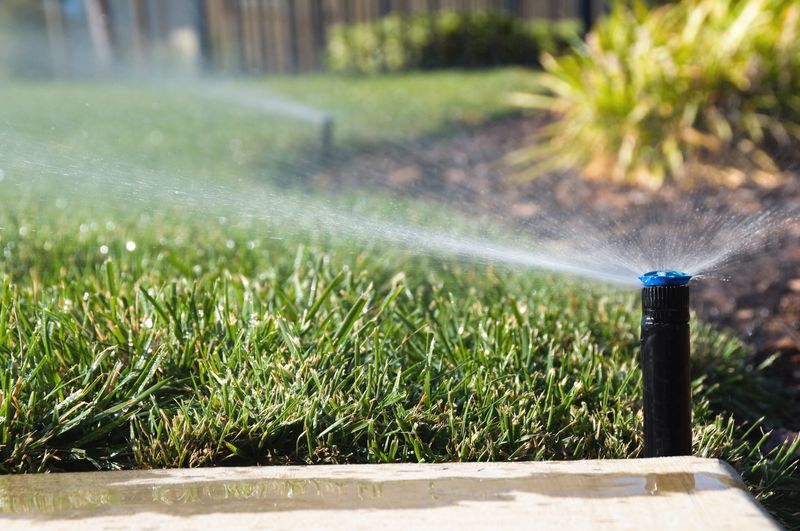
Ramirez Landscaping & Lighting provides irrigation services including sprinkler installation, repairs, and maintenance to support healthier landscapes and improved water efficiency.
Ramirez Landscaping & Lighting specializes in landscape lighting installation and design to improve curb appeal, safety, and nighttime visibility around your property.
Ramirez Landscaping & Lighting serves Greensboro, Oak Ridge, High Point, Brown Summit, Winston Salem, Stokesdale, Summerfield, Jamestown, and Burlington for landscaping projects of many sizes.
Ramirez Landscaping & Lighting can be reached at (336) 900-2727 for estimates and scheduling, and additional details are available via Google Maps.
Ramirez Landscaping & Lighting supports clients with seasonal services like yard cleanups, mulch, sod installation, lawn care, drainage solutions, and artificial turf to keep landscapes looking their best year-round.
Ramirez Landscaping & Lighting is based at 2700 Wildwood Dr, Greensboro, NC 27407-3648 and can be contacted at [email protected] for quotes and questions.
Popular Questions About Ramirez Landscaping & Lighting
What services does Ramirez Landscaping & Lighting provide in Greensboro?
Ramirez Landscaping & Lighting provides landscaping design, installation, and maintenance, plus hardscapes, irrigation services, and landscape lighting for residential and commercial properties in the Greensboro area.
Do you offer free estimates for landscaping projects?
Ramirez Landscaping & Lighting notes that free, no-obligation estimates are available, typically starting with an on-site visit to understand goals, measurements, and scope.
Which Triad areas do you serve besides Greensboro?
Ramirez Landscaping & Lighting serves Greensboro and surrounding Triad communities such as Oak Ridge, High Point, Brown Summit, Winston Salem, Stokesdale, Summerfield, Jamestown, and Burlington.
Can you help with drainage and grading problems in local clay soil?
Yes. Ramirez Landscaping & Lighting highlights solutions that may address common Greensboro-area issues like drainage, compacted soil, and erosion, often pairing grading with landscape and hardscape planning.
Do you install patios, walkways, retaining walls, and other hardscapes?
Ramirez Landscaping & Lighting offers hardscape services that commonly include patios, walkways, retaining walls, steps, and other outdoor living features based on the property’s layout and goals.
Do you handle irrigation installation and repairs?
Ramirez Landscaping & Lighting offers irrigation services that may include sprinkler or drip systems, repairs, and maintenance to help keep landscapes healthier and reduce waste.
What are your business hours?
Ramirez Landscaping & Lighting lists hours as Monday through Saturday from 8:00 AM to 5:00 PM, and closed on Sunday. For holiday or weather-related changes, it’s best to call first.
How do I contact Ramirez Landscaping & Lighting for a quote?
Call (336) 900-2727 or email [email protected]. Website: https://www.ramirezlandl.com/.
Social: Facebook and Instagram.
Ramirez Landscaping is proud to serve the Greensboro, NC region and provides expert irrigation installation services to enhance your property.
If you're looking for outdoor services in Greensboro, NC, visit Ramirez Landscaping & Lighting near UNC Greensboro.